The Historic Journey of Miracle Hot Springs
The Tübatulabal tribe first used Miracle Hot Springs, making the Kern River Valley their home for over 5,000 years. These Uto-Aztecan-speaking people, related to the Shoshone, built villages near springs throughout the area and used the hot springs for healing purposes for millennia. Archaeological evidence suggests they lived in the region for approximately 5,000 years, with their language remaining relatively unchanged, indicating their long-standing presence. The Tübatulabal recognized the healing properties of the thermal springs and established the foundation for the springs’ enduring reputation as a place of healing and renewal, utilizing these mineral-rich waters as part of their seasonal traditions and spiritual practices throughout the region.
Originally known as Compressor Hot Springs or Clear Creek Hot Springs, this remarkable location earned its first name from the ingenuity of local miners. An innovative miner constructed a water-powered turbine system that harnessed Clear Creek’s flow to operate an air compressor, providing vital ventilation to underground mining operations in nearby Havilah. This early example of sustainable energy use demonstrated the resourcefulness of California’s mining pioneers, who recognized the area’s natural power long before its therapeutic qualities became widely known.
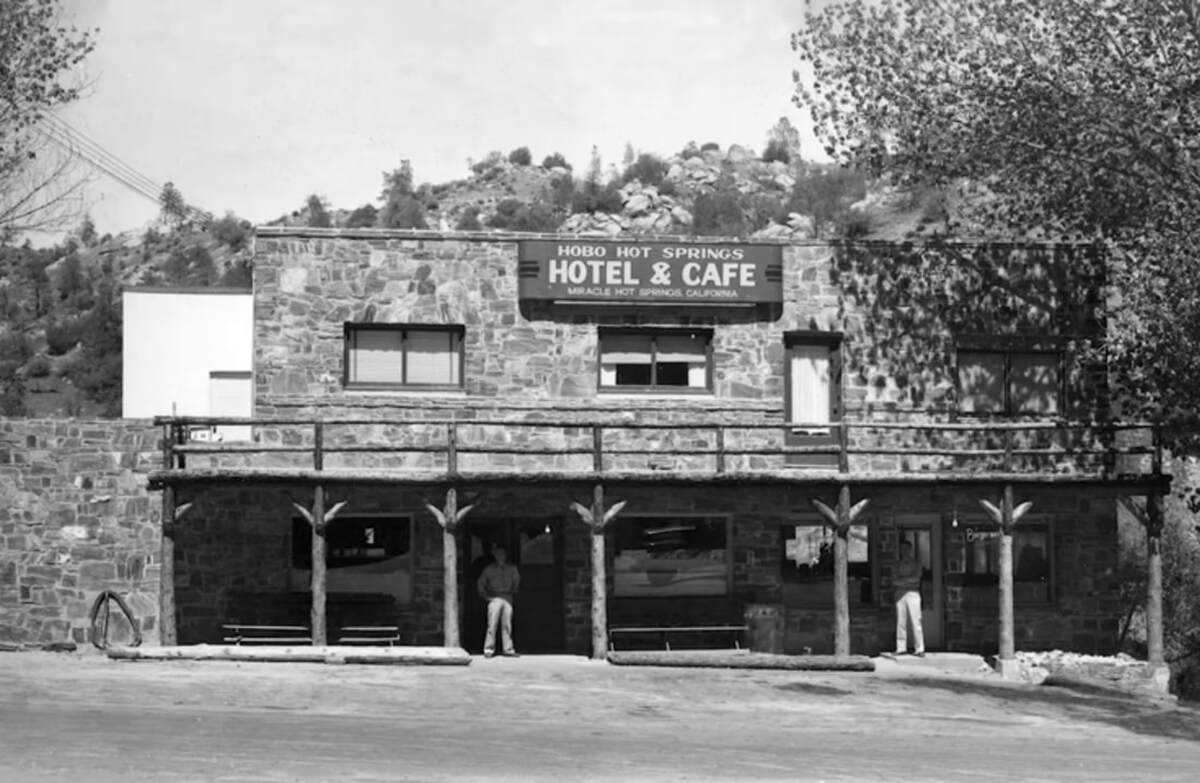
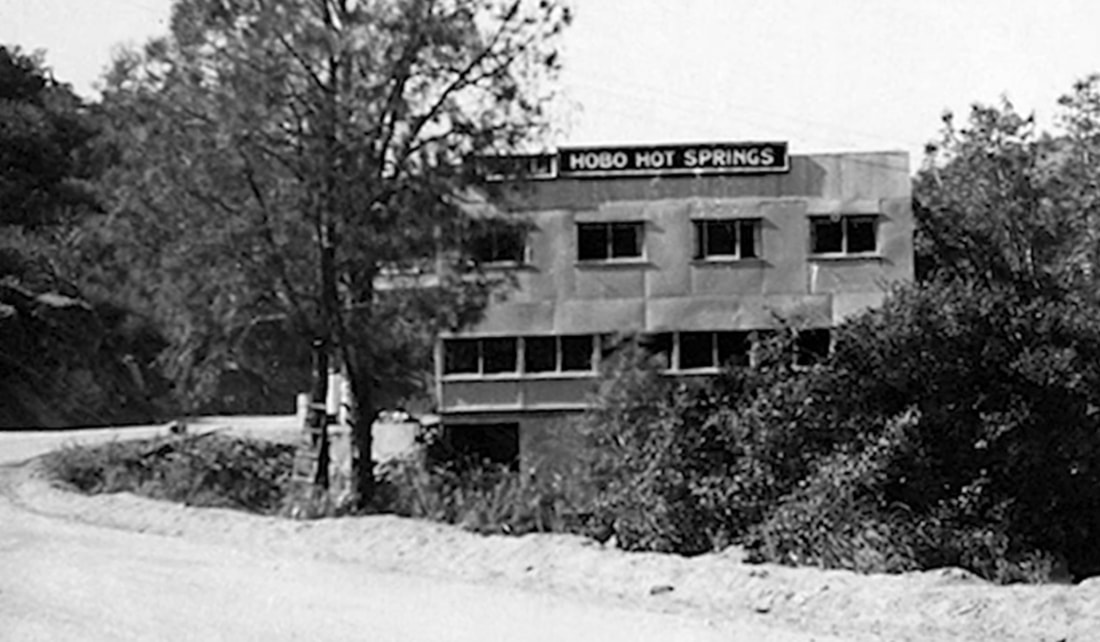
The year 1901 marked a significant transformation when construction began on the Borel power plant. Workers established a temporary settlement complete with bathhouses, taking advantage of the natural hot springs for relaxation after long days of construction. This community became known as Hobo Hot Springs, reflecting the transient nature of the workforce who called this remote canyon home. The informal bathhouses built during this period represented the first organized use of the springs for therapeutic purposes, setting the stage for decades of healing traditions to follow.
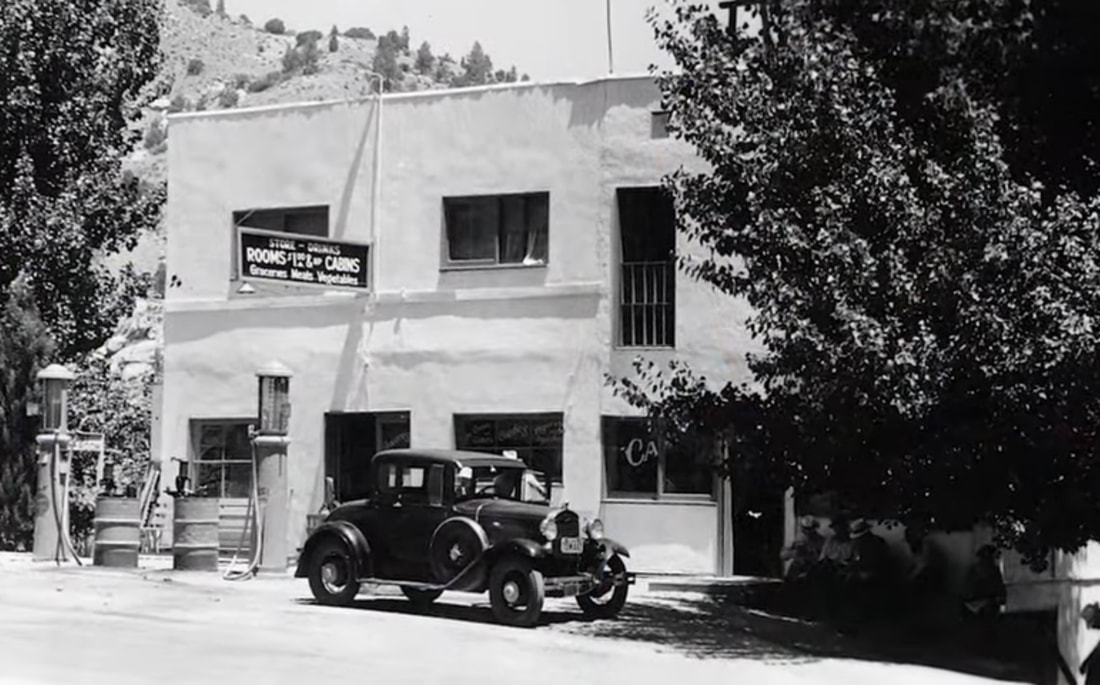
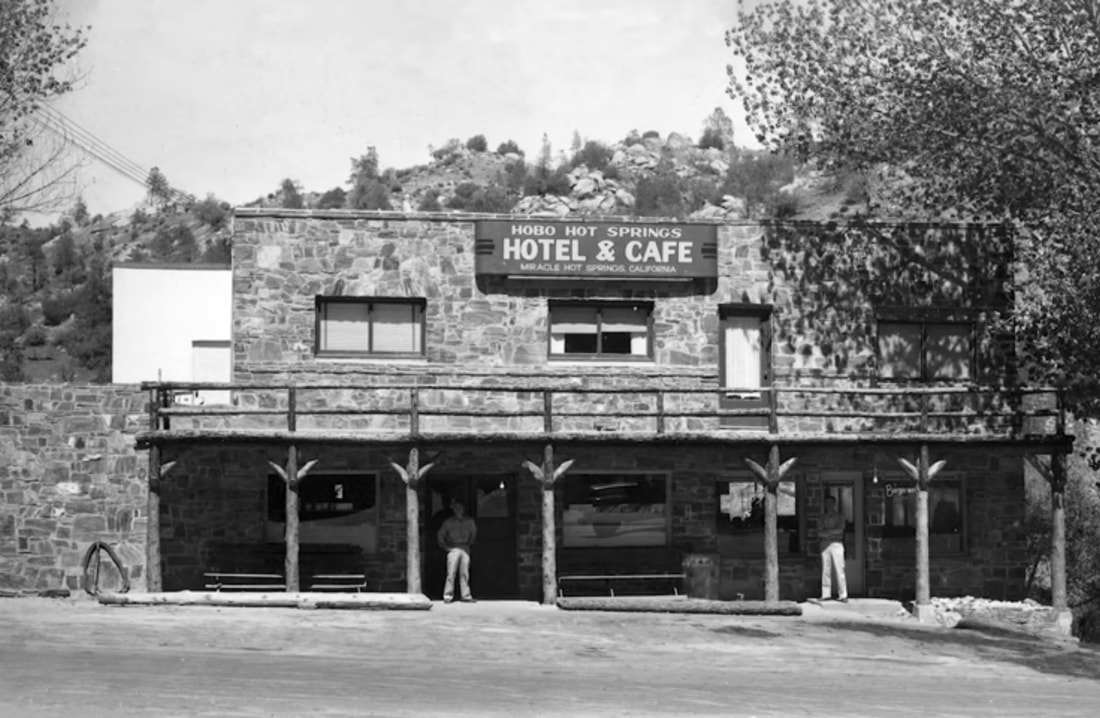
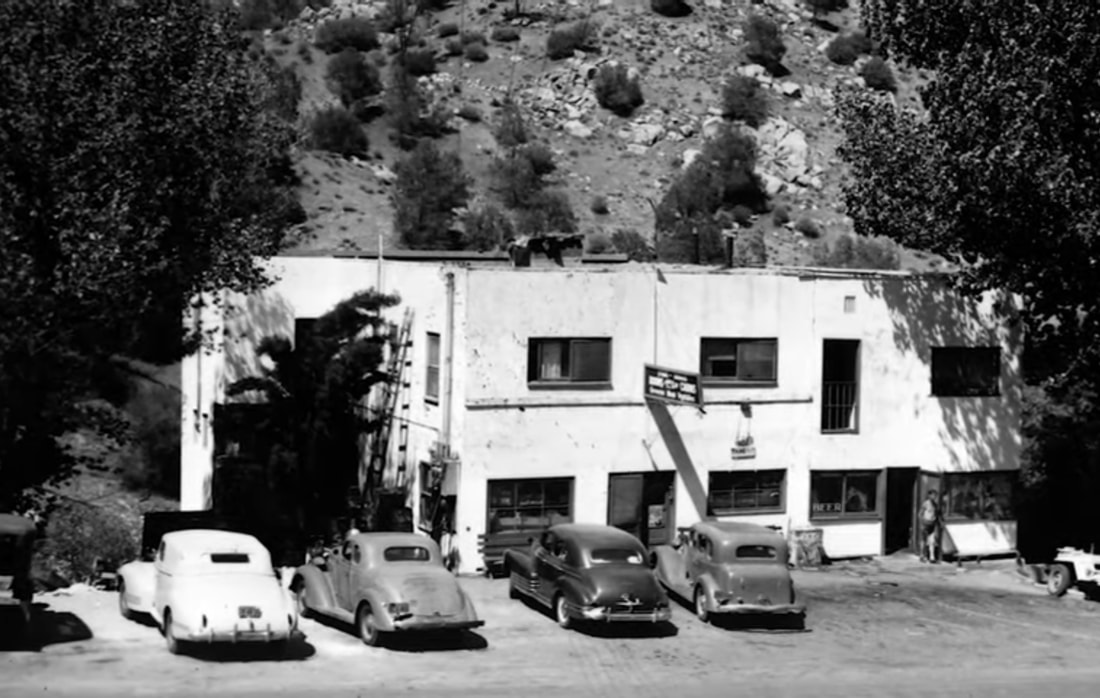
In 1927, visionary entrepreneurs recognized the springs’ potential and secured a lease from the U.S. Forest Service to construct a proper hotel. This marked the beginning of Miracle Hot Springs’ golden age as a destination resort. The establishment gained official recognition in 1932 when the U.S. Postal Service approved a post office for Hobo Hot Springs, providing residents and visitors with direct mail service for the next five decades and connecting this remote healing oasis to the outside world.
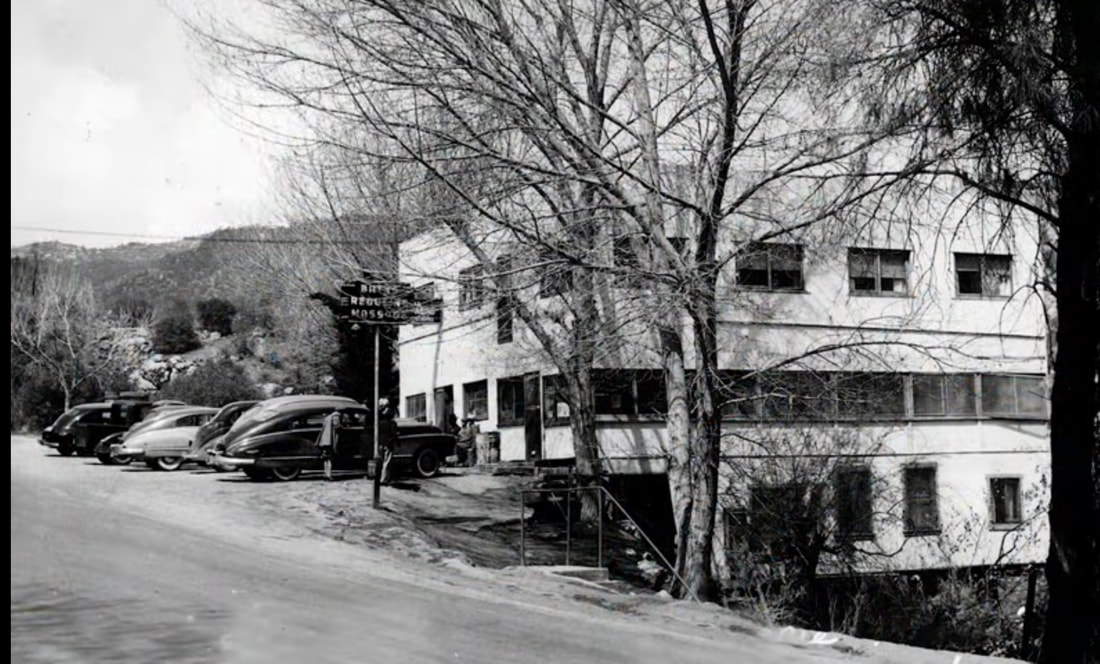
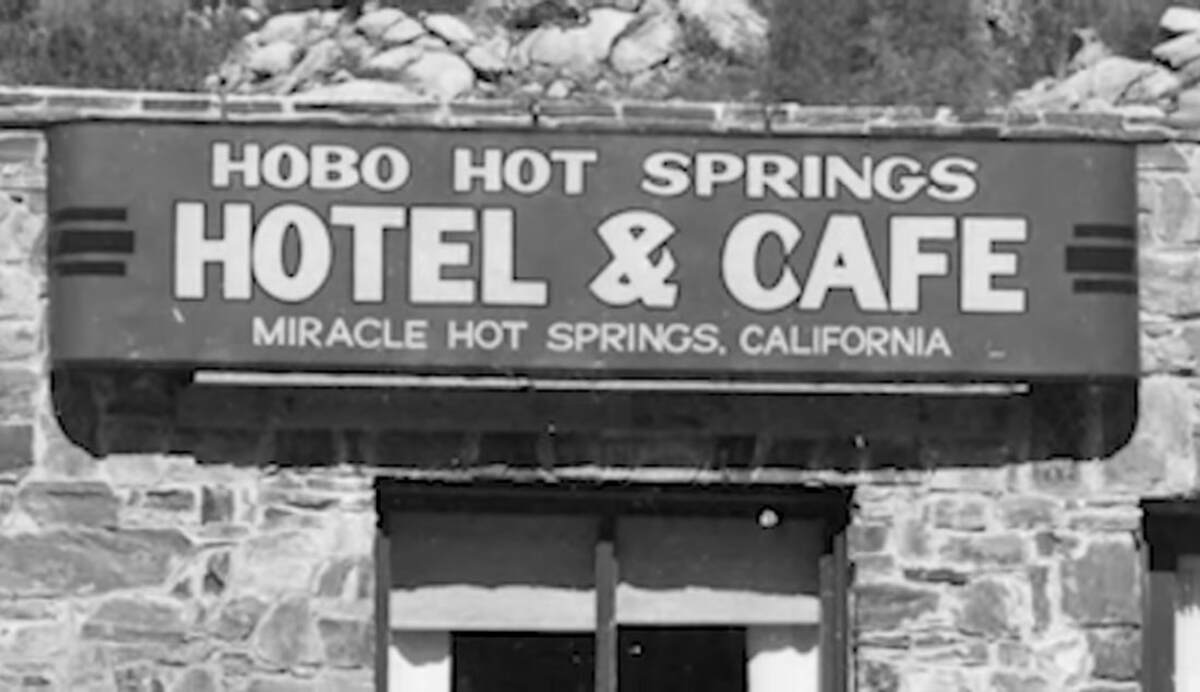
In 1947, the springs officially became “Miracle Hot Springs” in recognition of the seemingly miraculous relief experienced by countless visitors. The renaming ceremony celebrated the springs’ reputation for healing arthritis, bursitis, and other ailments through the power of naturally heated, mineral-rich waters. This name change reflected not just marketing appeal, but genuine testimonials from visitors who found significant relief from chronic conditions, evolving the springs from a mining camp convenience to a recognized therapeutic destination.
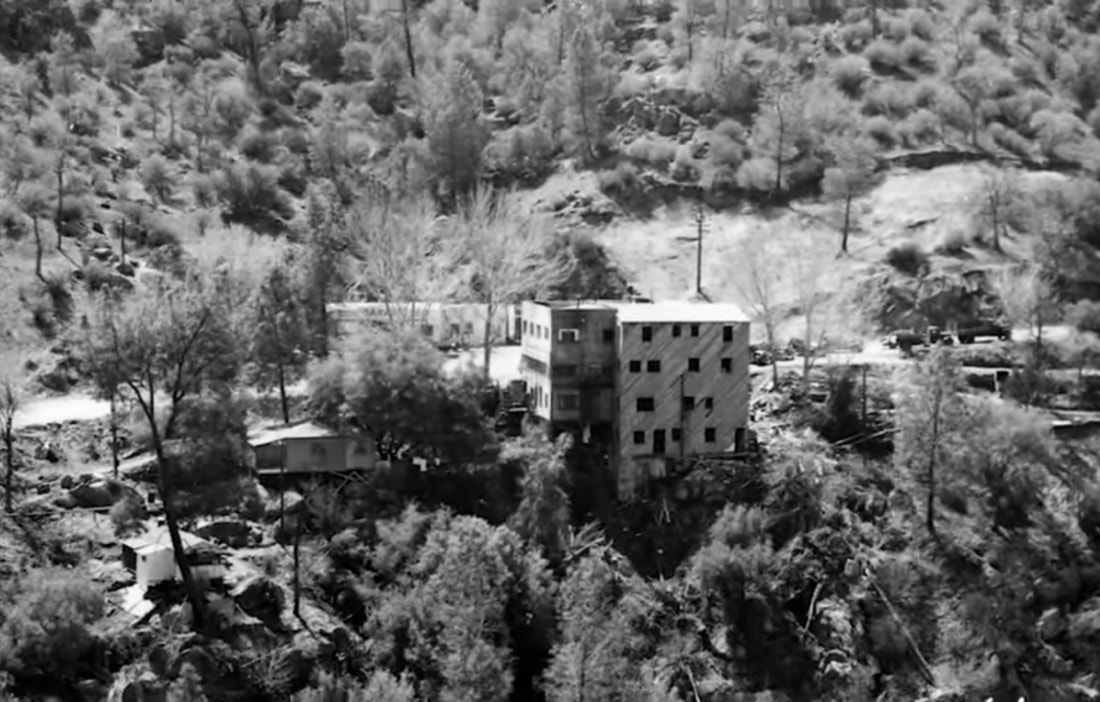
The hotel era came to an abrupt end in 1975 when fire destroyed the main building. This devastating loss marked the end of commercial operations, but not the end of the springs’ story. The U.S. Forest Service worked to clear dangerous debris while preserving access to the natural springs themselves, which continued to flow at their natural temperature of 119 degrees Fahrenheit, maintaining their therapeutic properties and drawing visitors who valued the springs’ natural, undeveloped character.
As decades passed after the hotel’s destruction, locals and devoted hot springs enthusiasts recognized that this natural treasure needed protection and care. Passionate soakers and Kern River lovers came together, forming a grassroots movement that became known as the Kern River Angels. These dedicated volunteers, united by their love for the miracle mineral waters, took on the responsibility of maintaining and protecting this historic site through persistent advocacy and demonstrated stewardship, establishing a formal partnership with the U.S. Forest Service that granted them official privileges to maintain the springs and educate visitors about safety and environmental best practices.
The formation of Miracle Hot Springs Non Profit Conservancy represents the latest evolution in community stewardship, building on decades of grassroots advocacy by the Kern River Angels. The Conservancy is dedicated to the sustainable restoration and stewardship of the historic Miracle Hot Springs ecosystem, providing equitable public access to healing waters while protecting natural resources for future generations through collaborative partnerships and educational experiences that promote environmental awareness, public health, and the responsible enjoyment of our shared natural heritage. Their vision is to create a sustainable and inclusive community destination by restoring and preserving the historical and healing Miracle Hot Springs, while educating and engaging visitors on the importance of conservation, environmental stewardship, and hot springs health.
The Tübatulabal tribe first used Miracle Hot Springs, making the Kern River Valley their home for over 5,000 years. These Uto-Aztecan-speaking people, related to the Shoshone, built villages near springs throughout the area and used the hot springs for healing purposes for millennia. Archaeological evidence suggests they lived in the region for approximately 5,000 years, with their language remaining relatively unchanged, indicating their long-standing presence. The Tübatulabal recognized the healing properties of the thermal springs and established the foundation for the springs’ enduring reputation as a place of healing and renewal, utilizing these mineral-rich waters as part of their seasonal traditions and spiritual practices throughout the region.
Originally known as Compressor Hot Springs or Clear Creek Hot Springs, this remarkable location earned its first name from the ingenuity of local miners. An innovative miner constructed a water-powered turbine system that harnessed Clear Creek’s flow to operate an air compressor, providing vital ventilation to underground mining operations in nearby Havilah. This early example of sustainable energy use demonstrated the resourcefulness of California’s mining pioneers, who recognized the area’s natural power long before its therapeutic qualities became widely known.
The year 1901 marked a significant transformation when construction began on the Borel power plant. Workers established a temporary settlement complete with bathhouses, taking advantage of the natural hot springs for relaxation after long days of construction. This community became known as Hobo Hot Springs, reflecting the transient nature of the workforce who called this remote canyon home. The informal bathhouses built during this period represented the first organized use of the springs for therapeutic purposes, setting the stage for decades of healing traditions to follow.
In 1927, visionary entrepreneurs recognized the springs’ potential and secured a lease from the U.S. Forest Service to construct a proper hotel. This marked the beginning of Miracle Hot Springs’ golden age as a destination resort. The establishment gained official recognition in 1932 when the U.S. Postal Service approved a post office for Hobo Hot Springs, providing residents and visitors with direct mail service for the next five decades and connecting this remote healing oasis to the outside world.
In 1947, the springs officially became “Miracle Hot Springs” in recognition of the seemingly miraculous relief experienced by countless visitors. The renaming ceremony celebrated the springs’ reputation for healing arthritis, bursitis, and other ailments through the power of naturally heated, mineral-rich waters. This name change reflected not just marketing appeal, but genuine testimonials from visitors who found significant relief from chronic conditions, evolving the springs from a mining camp convenience to a recognized therapeutic destination.
The hotel era came to an abrupt end in 1975 when fire destroyed the main building. This devastating loss marked the end of commercial operations, but not the end of the springs’ story. The U.S. Forest Service worked to clear dangerous debris while preserving access to the natural springs themselves, which continued to flow at their natural temperature of 119 degrees Fahrenheit, maintaining their therapeutic properties and drawing visitors who valued the springs’ natural, undeveloped character.
As decades passed after the hotel’s destruction, locals and devoted hot springs enthusiasts recognized that this natural treasure needed protection and care. Passionate soakers and Kern River lovers came together, forming a grassroots movement that became known as the Kern River Angels. These dedicated volunteers, united by their love for the miracle mineral waters, took on the responsibility of maintaining and protecting this historic site through persistent advocacy and demonstrated stewardship, establishing a formal partnership with the U.S. Forest Service that granted them official privileges to maintain the springs and educate visitors about safety and environmental best practices.
The formation of Miracle Hot Springs Non Profit Conservancy represents the latest evolution in community stewardship, building on decades of grassroots advocacy by the Kern River Angels. The Conservancy is dedicated to the sustainable restoration and stewardship of the historic Miracle Hot Springs ecosystem, providing equitable public access to healing waters while protecting natural resources for future generations through collaborative partnerships and educational experiences that promote environmental awareness, public health, and the responsible enjoyment of our shared natural heritage. Their vision is to create a sustainable and inclusive community destination by restoring and preserving the historical and healing Miracle Hot Springs, while educating and engaging visitors on the importance of conservation, environmental stewardship, and hot springs health.